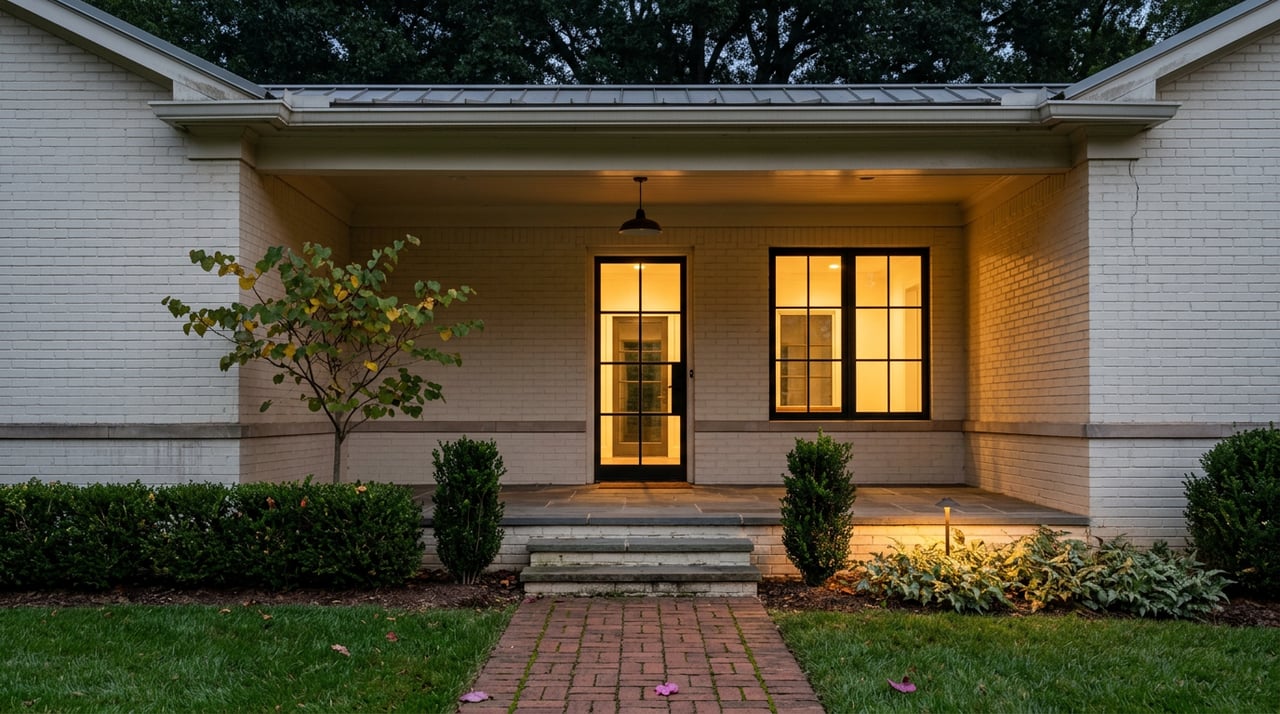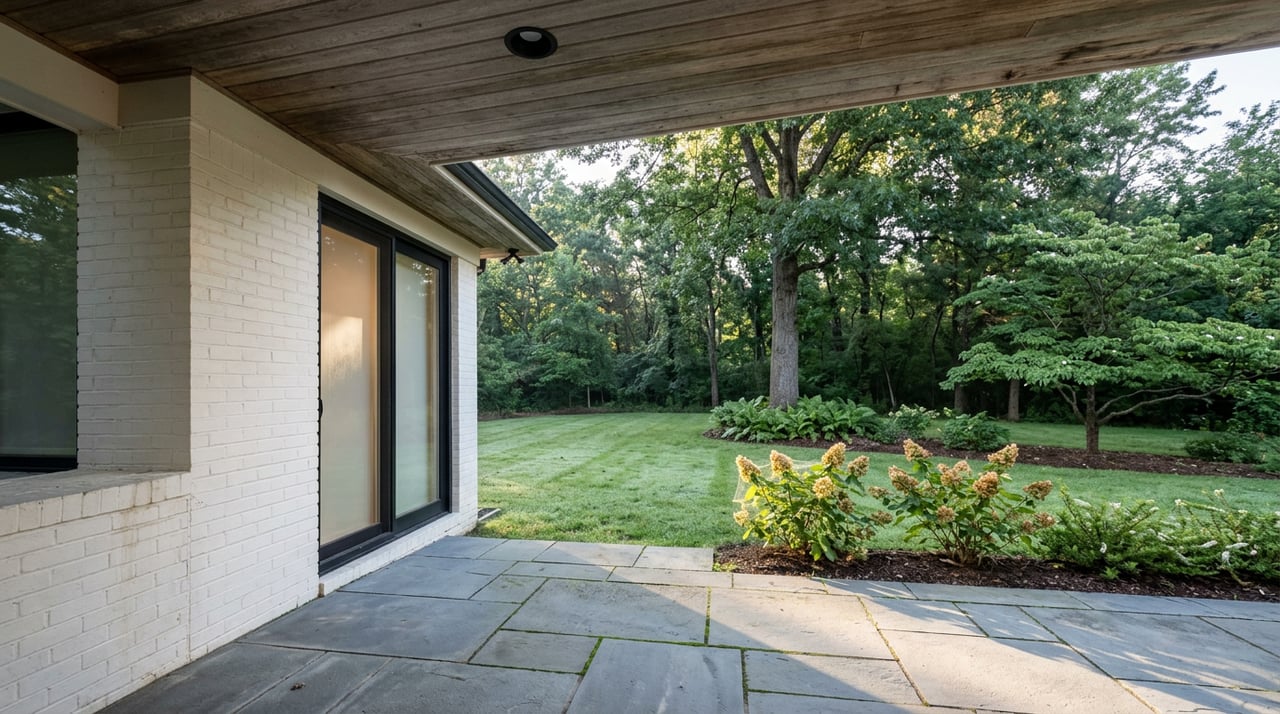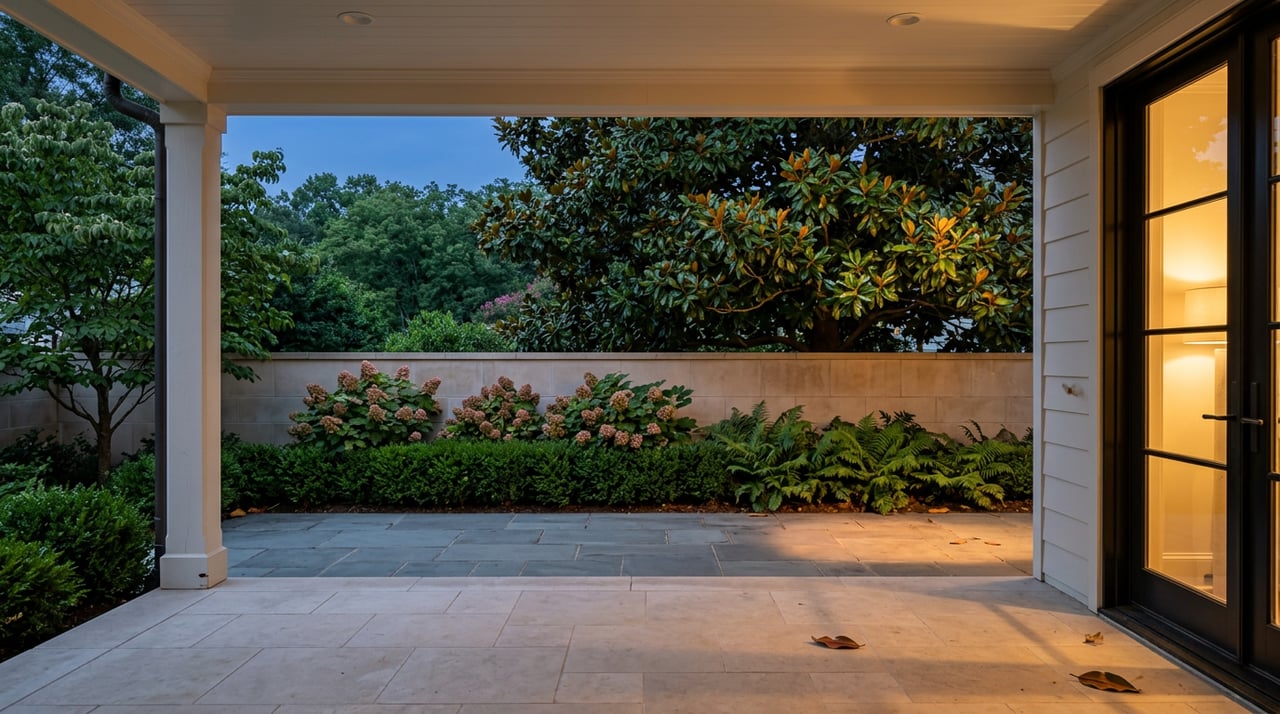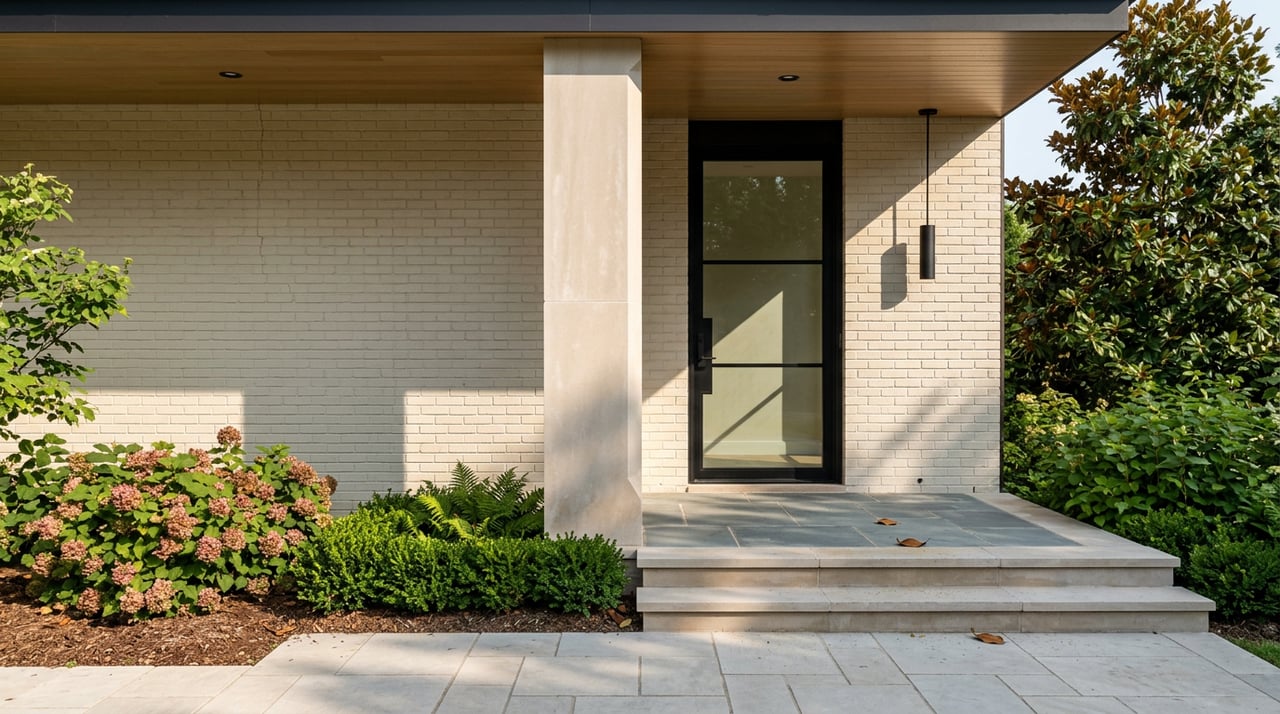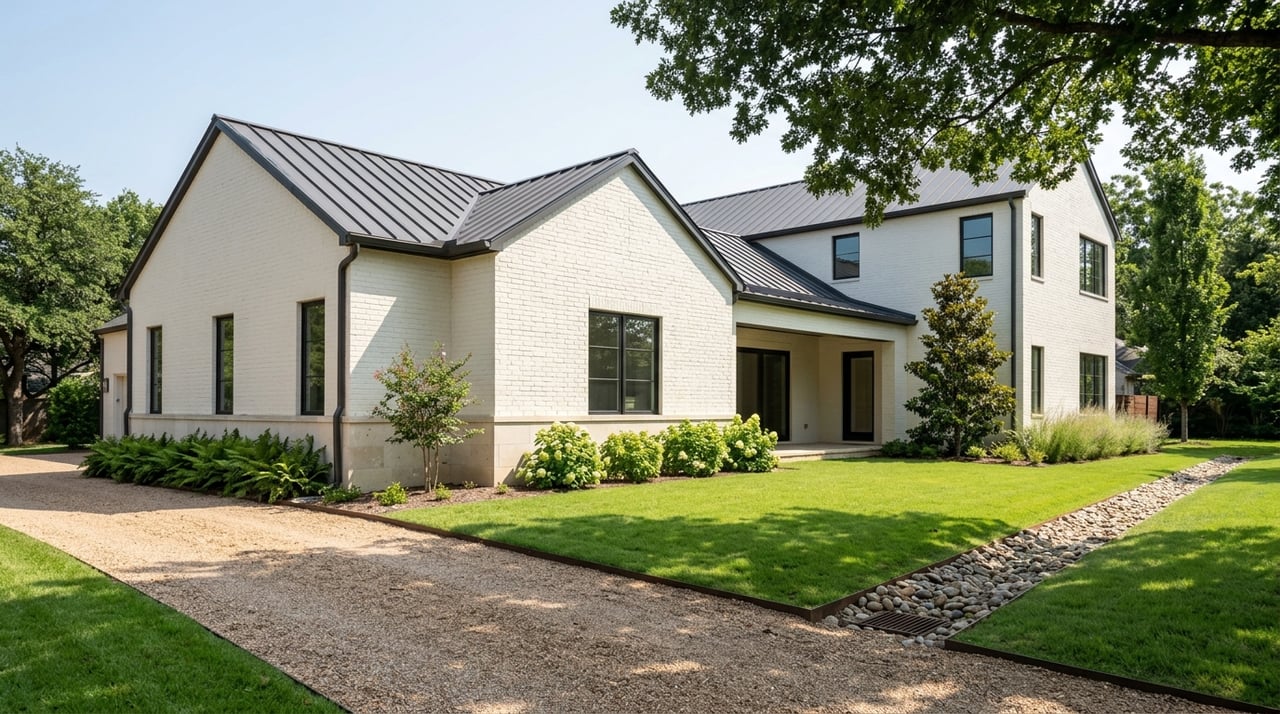
Wondering if a big yard is enough reason to buy in West Meade? In this part of West Nashville, the lot is often just as important as the house itself. If you are considering a large lot home here, understanding boundaries, setbacks, drainage, and future improvement limits can help you make a smarter decision. Let’s dive in.
Why West Meade Stands Out
West Meade is known for its low-density pattern and land-heavy feel. According to the West Meade Neighborhood Association, lots in the area range from about 0.5 to 6 acres, and the average home sits on just over an acre.
That matters because you are not shopping in a compact infill setting. In West Meade, the parcel often shapes privacy, layout, and long-term options as much as square footage or finishes do.
Much of West Meade is zoned RS40, which Metro defines as a low-density single-family district with a minimum 40,000-square-foot lot. Metro’s West Nashville community plan also emphasizes deep setbacks, established tree rows, and large lot sizes in this area.
Why the Lot Matters So Much
When you buy a large lot home in West Meade, you are buying more than indoor living space. You are also buying site conditions, access, usable land, and the rules that control what can happen on the property later.
Some lots may be wooded, sloped, or shaped in a way that affects where you can build or place outdoor features. Others may feel expansive at first glance, but a closer review could show setbacks, easements, or drainage issues that reduce usable space.
This is why lot value in West Meade often goes beyond curb appeal. Privacy, tree canopy, site layout, and future buildability can all influence both your enjoyment of the home and its resale appeal.
Start With Zoning and Setbacks
Zoning is one of the first things to review when buying a large-lot property. In West Meade, much of the area is zoned RS40, and that zoning framework helps explain the neighborhood’s lower-density character.
Metro also makes an important distinction between zoning and building code. Zoning controls permitted use, lot requirements, and setbacks, while building code governs how construction is done.
For you as a buyer, that means a large lot is only as flexible as its zoning, setbacks, easements, and bulk rules allow. If you are thinking about a future addition, pool, garage, or accessory structure, those constraints need to be understood early.
Confirm Boundaries Before You Offer
On a large lot, boundaries are not something to guess at. Before making an offer, it is wise to verify the exact parcel lines, easements, and setback constraints.
Metro requires site-plan review for new construction and many substantial residential improvements, including additions, pools, decks, garages, and pergolas. Metro also notes that a mortgage loan survey often works well as a site plan.
In practice, that means a survey is not just paperwork. It helps you understand what part of the land is truly usable and what might be limited by setbacks or easements.
Check Drainage and Floodplain Risk Early
Large lots can come with more drainage complexity than a typical suburban parcel. That is especially true when the site is wooded, rolling, or includes changes in elevation.
Metro provides tools for floodplain review, including FEMA flood-hazard mapping, a parcel-viewer workflow, and a floodplain inquiry line. Metro also notes that property owners are responsible for maintaining stormwater control measures on their property, while the public stormwater system is mainly maintained to protect streets and sidewalks during normal rain.
This is one area where a visual walk of the property is not enough. You want to understand how water moves across the lot, whether grading work has been permitted, and whether runoff appears to be managed in a stable way.
If a parcel touches a floodplain, future improvements may become more complicated. Metro says residential structures built in the floodplain must place the lowest finished floor four feet above the 1-percent-annual-chance flood elevation.
Verify Water, Sewer, and Service Lines
Utility questions should be answered early, not after you are under contract. Metro Water Services provides public water and wastewater service in Davidson County, and Metro’s single-family development guide says Development Services should determine water and sewer availability.
Metro Water Services also publishes a water service line inventory. The utility notes that some older service lines may still be lead or galvanized, so it is worth reviewing that information instead of assuming everything has already been updated.
If the property is not clearly sewer-served, or if you want to understand a private sewage system, Metro’s Septic and Sewage Disposal Systems division handles soils interpretation, design, percolation tests, and related review. The key point is simple: verify the individual parcel rather than making assumptions based on the neighborhood.
Pair the Home Inspection With Site Review
A standard home inspection is important, but on a large lot it should not be the only layer of due diligence. You also want a site-level review of how the property functions beyond the walls of the home.
Key issues often include driveway access, retaining walls, slope, tree impacts, and drainage patterns. Metro’s stormwater guidance explains that runoff can flood yards and streets when drainage is impaired, and land-disturbing work in Davidson County may require a grading permit.
Tennessee licenses home inspectors, and the state’s licensing process requires training, an exam, and insurance. Tennessee also licenses contractors, which is one reason it is smart to rely on licensed professionals who understand both the home and the local permit environment.
For many buyers, the strongest team includes a licensed home inspector, a surveyor, and a contractor familiar with Nashville permitting, setbacks, and drainage. That kind of preparation can help you avoid costly surprises later.
Think Ahead About Improvements
One of the biggest appeals of a large lot is the possibility of doing more with it over time. You may be thinking about adding a pool, detached garage, outdoor living area, or home addition.
Those ideas may be possible, but Metro rules still control what can actually be built. Metro requires permits for additions, accessory structures, and pools, and accessory structures cannot cross platted setbacks, side-street setbacks, or utility easements.
Metro also notes that detached accessory dwelling units cannot be built over an easement or platted setback. So even when a lot looks generous, the buildable area may be more limited than expected.
In West Meade, the most valuable improvements are often the ones that fit the site instead of overpowering it. Metro’s West Nashville plan emphasizes preserving deep setbacks, tree rows, and lot spacing, so thoughtful design tends to align best with the area’s established pattern.
Consider Resale From Day One
If you plan to stay for years, it is still smart to think about resale while you buy. In West Meade, buyers often respond not only to the home itself but also to privacy, drainage, tree canopy, and the flexibility of the lot.
That means two properties with similar house sizes can offer very different long-term value. A parcel with clear access, stable drainage, and room for future improvements may hold broader appeal than one with unresolved site constraints.
This is where a strategic buying approach matters. Looking beyond finishes and focusing on what the site can realistically support helps you buy with more confidence.
A Smart Buying Checklist
Before you move forward on a large lot home in West Meade, keep this checklist in mind:
- Confirm parcel boundaries with a survey
- Review easements and setback constraints
- Check zoning and permitted use
- Verify water and sewer availability with Metro Water Services
- Review the water service line inventory
- Clarify whether the property uses sewer or a private sewage system
- Check floodplain and drainage conditions
- Understand whether prior or future grading work may require review
- Pair the home inspection with site-specific professional input
- Evaluate future improvement plans before you buy
A large lot can be a real advantage, but only when you understand how the land works. The right due diligence helps you protect both your lifestyle and your investment.
If you are comparing homes in West Meade, a calm and well-prepared review process can help you separate true opportunity from expensive guesswork. When you want strategic guidance on buying in Nashville, connect with Carla Patterson for a thoughtful consultation.
FAQs
Do large lot homes in West Meade usually have over an acre of land?
- The West Meade Neighborhood Association says lots range from about 0.5 to 6 acres, with the average home sitting on just over an acre.
Do you need a survey for a large lot home in West Meade?
- In practice, yes, because boundaries, easements, and setbacks can affect usable land, future improvements, and permitting.
Can you add a pool or garage to a West Meade large lot home later?
- Possibly, but Metro requires permits and site-plan review for many improvements, and setbacks, easements, and zoning rules can limit what is allowed.
How do you check floodplain risk for a West Meade property?
- Metro offers floodplain review tools that include FEMA flood-hazard mapping, a parcel-viewer workflow, and a floodplain inquiry line.
Should you verify sewer or septic before buying in West Meade?
- Yes, because utility service should be confirmed for the specific parcel, and Metro’s Septic and Sewage Disposal Systems division handles private sewage questions.
Why does the lot itself matter so much for resale in West Meade?
- In this area, privacy, tree canopy, drainage, setbacks, and future-build flexibility are part of the property’s overall appeal and can shape long-term value.