Thinking about swapping Los Angeles traffic patterns, housing density, and familiar contract rhythms for Nashville’s west side? If you are planning a move to 37221, you are not just changing cities. You are also changing how neighborhoods feel, how homes sit on their lots, and how the buying process tends to unfold. This guide will help you translate the move from LA to West Nashville with more clarity and confidence. Let’s dive in.
Why 37221 Stands Out
If you are relocating from Los Angeles, 37221 is best understood as a Bellevue-centered part of Nashville’s west side with a wide range of housing options and strong road access. Metro planning documents tie Bellevue to quick access to Downtown and Midtown by way of I-40, which matters if you are used to judging daily life by drive times.
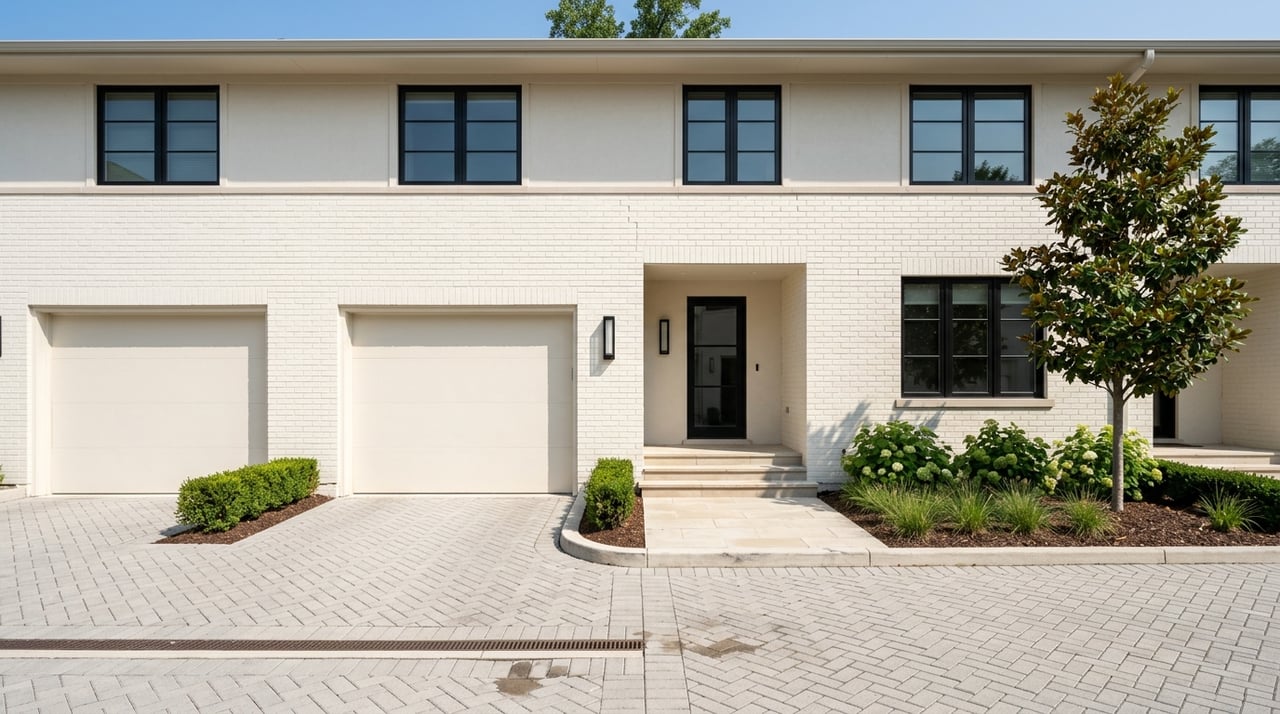
This area is not one-note. Official planning documents describe a mix of housing types, from rural homes and large-lot suburban homes to small-lot suburban homes, townhomes, and stacked flats. That range gives you more than one way to land in the market, whether you want space, lower maintenance, or something in between.
West Nashville also stretches beyond one single neighborhood identity. Metro planning references a broader west-side network that includes places like Bellevue, West Meade, Hillwood, Belle Meade Highlands, Charlotte Park, and Warner Park Valley, with Belle Meade as an incorporated city within the larger area. For a relocating buyer, that means the west side is more of a collection of distinct pockets than one uniform experience.
How West Side Living Feels
For many LA buyers, one of the first noticeable differences is density. Los Angeles County has a much more mixed housing stock, while Bellevue and West Nashville planning documents emphasize lower-density housing, infill, and larger-lot suburban patterns. In practical terms, the west side often feels more spread out, more car-oriented, and more yard-oriented than many LA submarkets.
That shift can be a welcome change if you are looking for breathing room. It can also require a mindset adjustment if you are used to living near a heavier mix of multifamily buildings, walkable commercial clusters, or tighter infill blocks.
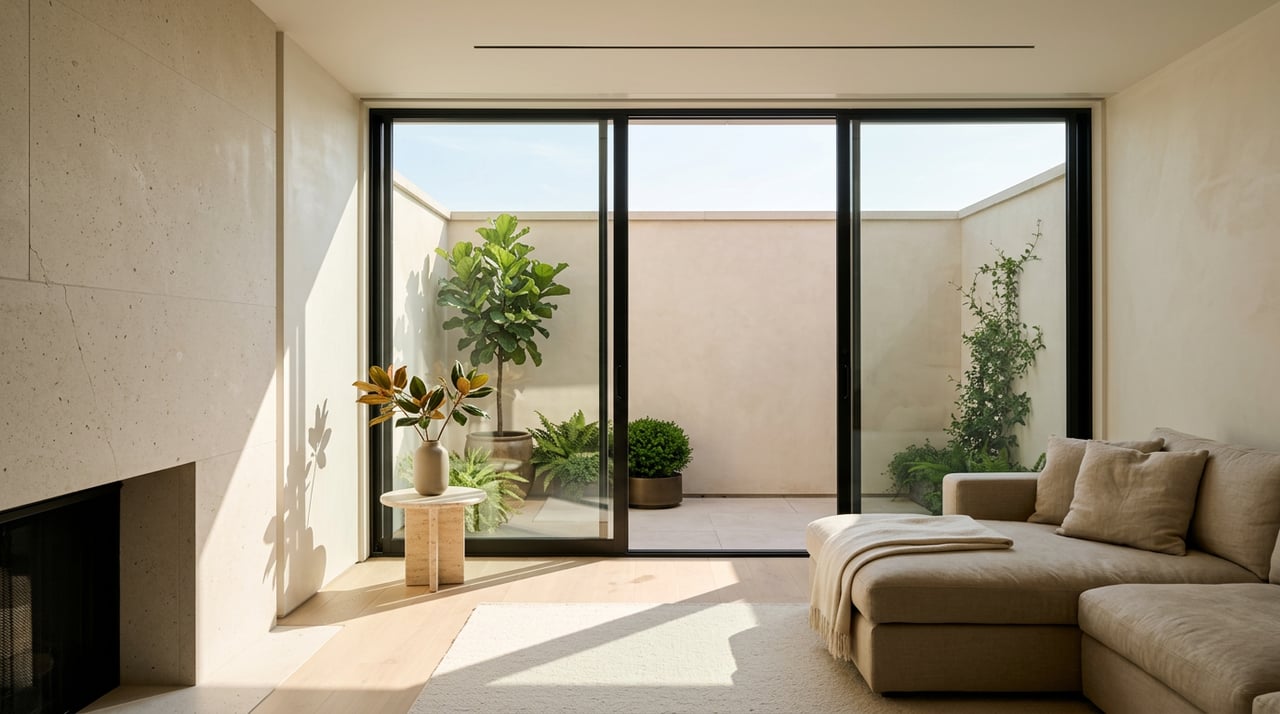
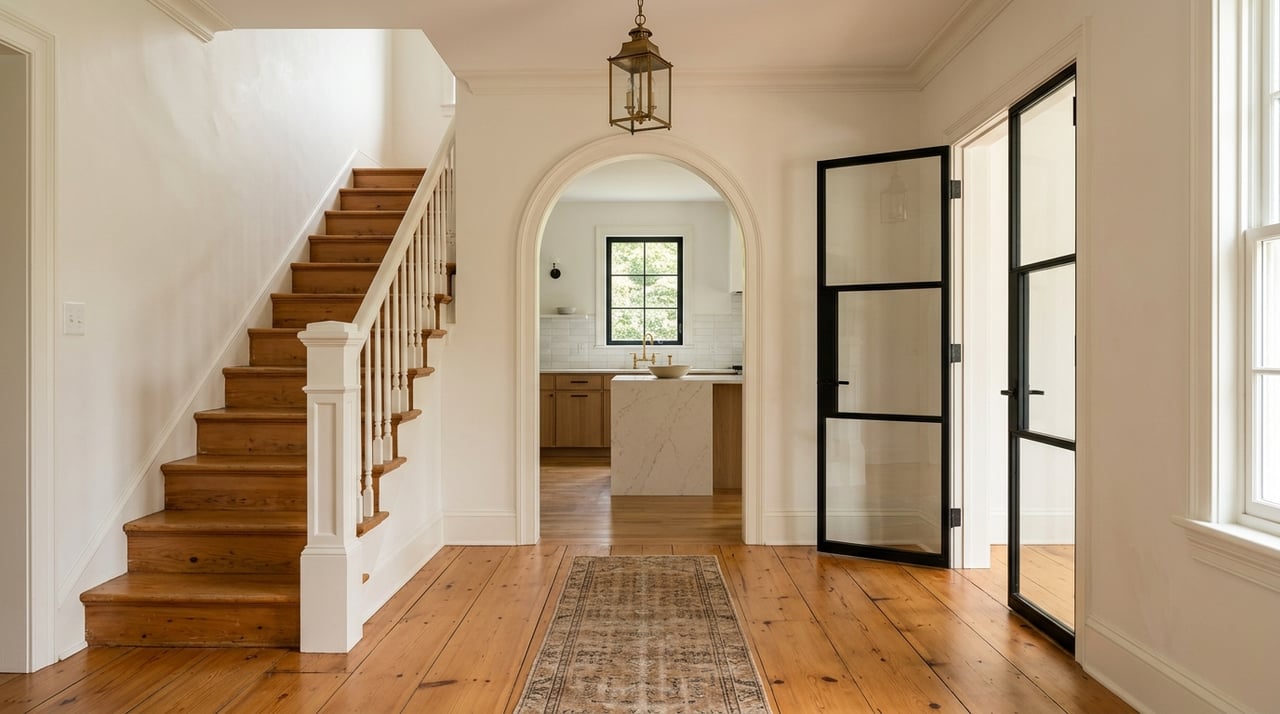
A lot of the west side’s older housing stock also traces back to the postwar era. Metro sources point to postwar subdivisions such as Harpeth Acres, West Meade, and Hillwood, and Nashville’s mid-century design guidance identifies ranch homes as a common neighborhood form. If you are coming from LA, that visual language may feel familiar in remodeled ranch and split-level homes with horizontal lines, low-pitched roofs, and wide windows.
What Homes in 37221 Look Like
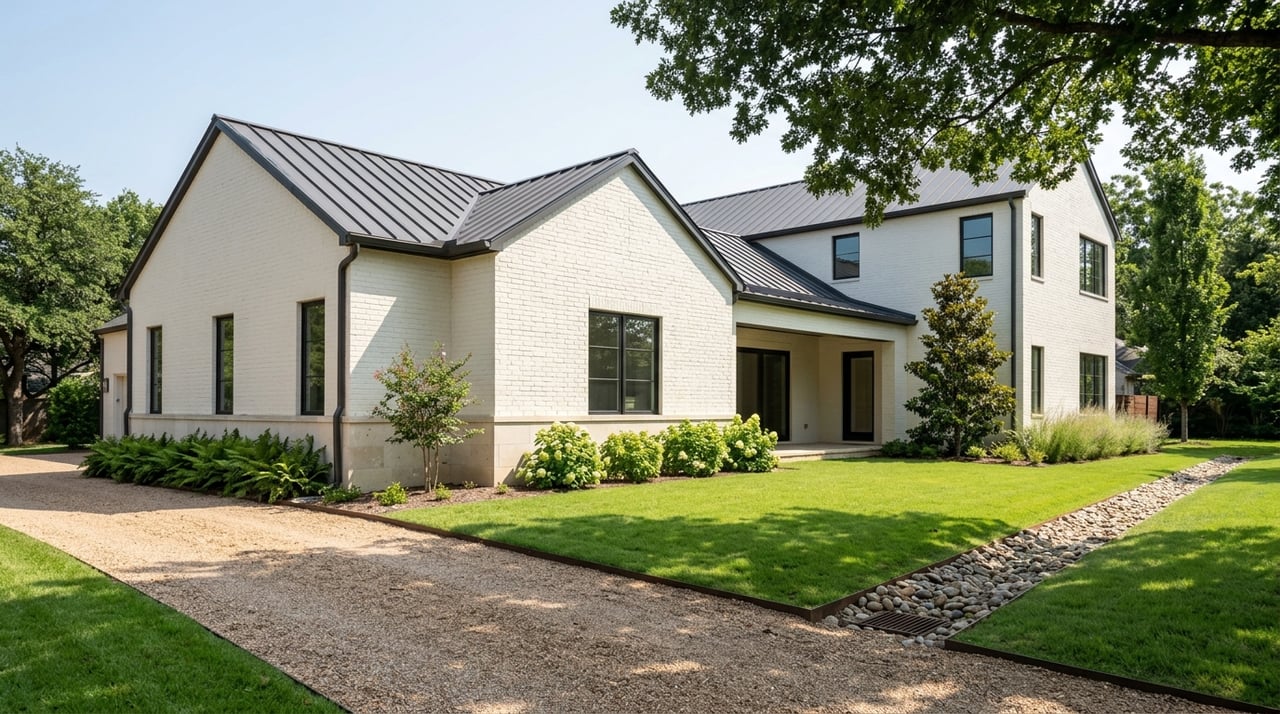
One of the biggest mistakes relocators make is assuming an area has a single “typical” home style. In 37221, the housing mix is broad. You may find everything from low-density homes with more land to townhomes and stacked flats, depending on the specific pocket.
That matters because your search criteria may need to shift from the way you searched in Los Angeles. Instead of asking only about square footage and finish level, it helps to ask how much land you want, how much maintenance you want, and whether you prefer an established neighborhood feel or a more recently built setting.
For buyers who love classic California-adjacent design cues, some west-side areas may feel like the easiest lifestyle translation. Bellevue, West Meade, Hillwood, and Belle Meade Highlands are good names to study first because official plans describe them as suburban, low-density, and in some cases sensitive to infill change.
Why Lot Size Matters More Here
In West Nashville, lot expectations can change fast from one block to the next. Nashville’s single-family zoning districts can require minimum lots ranging from 10,000 square feet in RS10 to 80,000 square feet in RS80. That is a meaningful difference if you are coming from LA and trying to compare homes quickly.
The practical takeaway is simple: do not assume your lot rights based on appearance alone. A home that looks like it has room for an addition, guest space, or future redesign may be affected by zoning rules that shape what can happen next.
Metro also uses historic overlays and contextual overlays in some areas. Those can add design review or site-plan review requirements, which is especially important if you are buying with renovation or teardown ideas in mind. Before you make assumptions about changes, it is smart to review the parcel record carefully.
Commute Reality From an LA Perspective
If you are moving from Los Angeles, your relationship to commuting may change almost immediately. Davidson County’s mean travel time to work is 24.7 minutes, compared with 30.4 minutes in Los Angeles County. While every lifestyle and work pattern is different, that gap helps explain why Nashville buyers often frame location as a drive-time decision rather than a transit-transfer puzzle.
Bellevue’s location near I-40 and other major corridors supports access to Downtown and Midtown. For many relocators, that creates a familiar but lighter version of car-based living. You still want to map your routine carefully, but the daily planning may feel simpler than what you are used to in Los Angeles.
That said, commute comfort is not just about minutes. It is also about the rhythm of your day, how often you need to be in the urban core, and whether you want your home base to feel more tucked away at the end of the day.
How Buying in Tennessee Feels Different
The move from California to Tennessee is not just a location change. It is also a contract culture change. California guidance tends to feel more standardized, with buyer representation timing rules and common contingency structures that many buyers already recognize.
Tennessee often feels more negotiated on the front end. Public guidance and industry practice put more attention on negotiated terms, earnest money, and the inspection period. For many LA buyers, this can feel less templated at first, even when the process is moving smoothly.
One important deadline to understand is the inspection period. Tennessee REALTORS notes that if the inspection period has not expired, a buyer can terminate and recover earnest money. The Tennessee Real Estate Commission also states that brokers are responsible for earnest money deposits and that funds should be disbursed or interpleaded within 21 calendar days of a written request.
If you are used to California forms and rhythms, this is where strong translation matters. You want to know which terms are fixed, which are negotiable, and which dates matter most before you sign.
Smart Questions To Ask Before You Offer
When you are buying from out of state, the best protection is good due diligence before emotion takes over. In West Nashville, a few practical questions can help you narrow the field quickly.
Check the parcel details
Before you get attached to future plans, confirm parcel-specific zoning. That includes lot size expectations, whether the property sits in a single-family district with larger minimums, and whether the site has any overlay that could affect changes.
Ask about neighborhood pattern
Some pockets are more clearly mid-century, some are more infill-sensitive, and some offer a more suburban feel. Knowing which type of area you are entering can help you judge long-term fit and future flexibility.
Compare home style to lifestyle
A larger lot can be appealing, but it also comes with maintenance and a different day-to-day rhythm. A townhome or stacked flat may give you less yard work and a simpler lock-and-leave setup. The right answer depends on how you actually want to live after the move.
Clarify the contract calendar
If you are relocating from LA, ask early about earnest money, inspection timing, and the key dates that control your decision window. Tennessee timelines are negotiated in the contract, so you want clarity from the start.
Who This Move Fits Best
Relocating from Los Angeles to Nashville’s west side can make sense if you want more space, less density, and a housing search with real variety. It can also be a strong fit if you value a suburban pattern with access to central Nashville through major road corridors.
For some buyers, the appeal is the visual familiarity of postwar and mid-century housing forms paired with a different pace of living. For others, it is the chance to compare townhomes, large-lot homes, and lower-density neighborhoods in one broader west-side search.
The key is not treating “West Nashville” as one thing. The better approach is to define your priorities first, then match them to the right pocket within Bellevue-centered 37221 or the surrounding west-side neighborhoods.
If you are comparing Los Angeles and Nashville in real time, having one advisor who understands both markets can make the move feel far less fragmented. When you are ready to map your options in 37221 and the broader west side, connect with Carla Patterson for a calm, strategic consultation.
FAQs
What is 37221 in Nashville?
- 37221 is a Bellevue-centered ZIP code on Nashville’s west side, with Metro planning documents tying it to a range of housing types and access to Downtown and Midtown via I-40.
What types of homes are common in Nashville 37221?
- Official planning documents describe housing in 37221 as ranging from rural homes and large-lot suburban homes to small-lot suburban homes, townhomes, and stacked flats.
How does West Nashville feel compared with Los Angeles?
- West Nashville generally feels less vertically dense and more car- and yard-oriented than many Los Angeles submarkets, based on local planning documents and housing mix data.
Which West Nashville areas should LA buyers study first?
- Bellevue, West Meade, Hillwood, and Belle Meade Highlands are strong places to study first if you want suburban, lower-density west-side options.
Why should buyers check zoning in West Nashville before making an offer?
- Nashville single-family zoning districts can require minimum lots from 10,000 to 80,000 square feet, and some properties may also have overlays that affect design changes or redevelopment.
How is a Tennessee home purchase different from a California purchase?
- Tennessee transactions often place more emphasis on negotiated terms, earnest money, and the inspection period, while California buyers may be more used to standardized contingency timelines.
What should Los Angeles buyers ask about earnest money in Tennessee?
- You should ask how earnest money will be handled, what deadlines apply during the inspection period, and how the contract addresses recovery of earnest money if you terminate within that period.