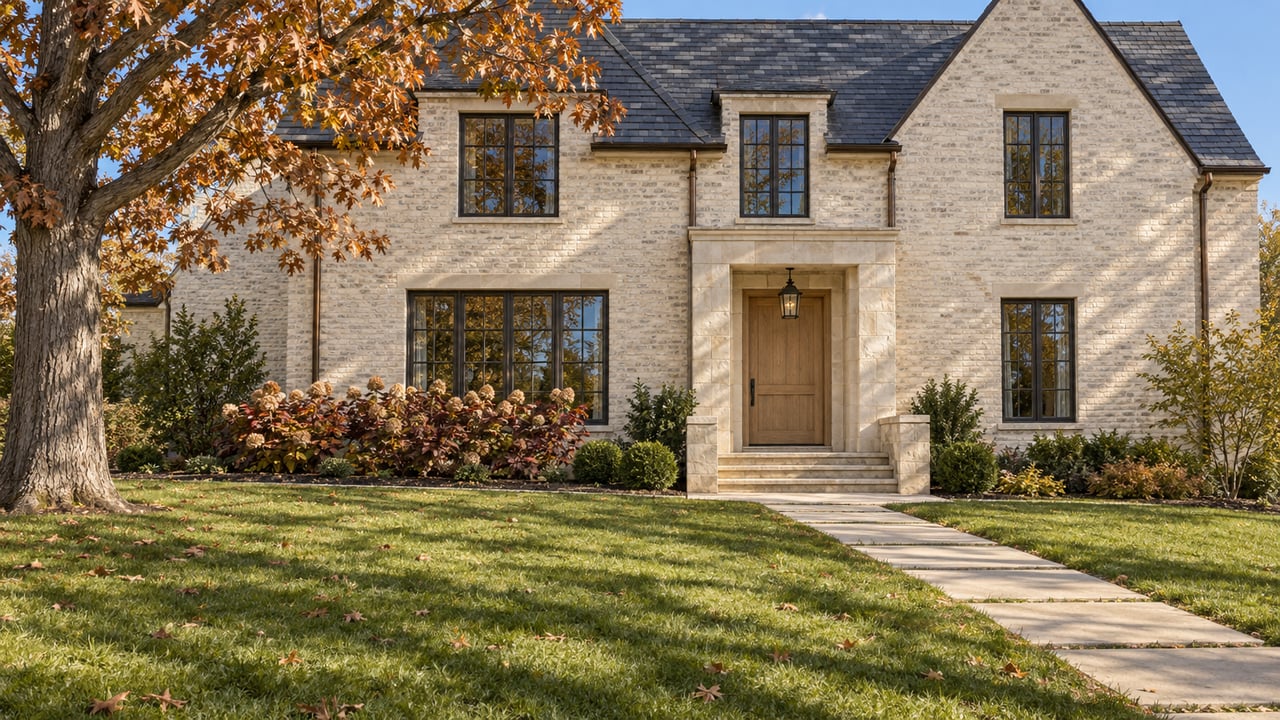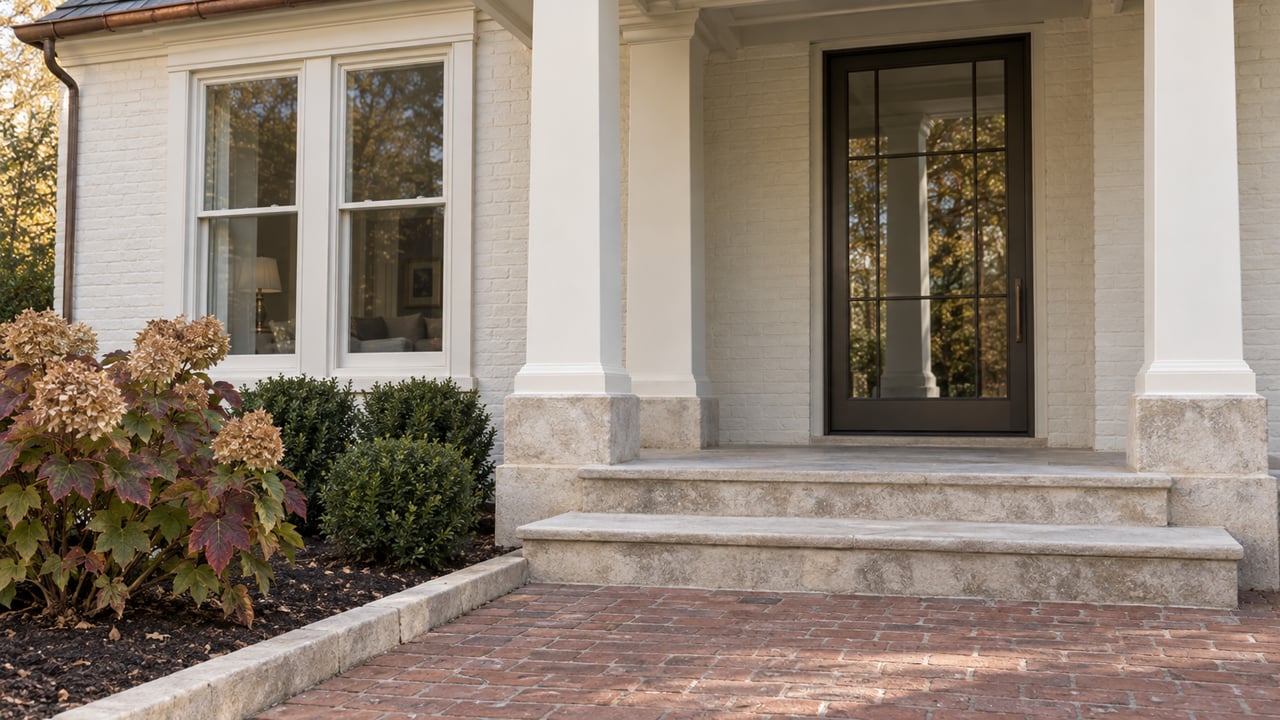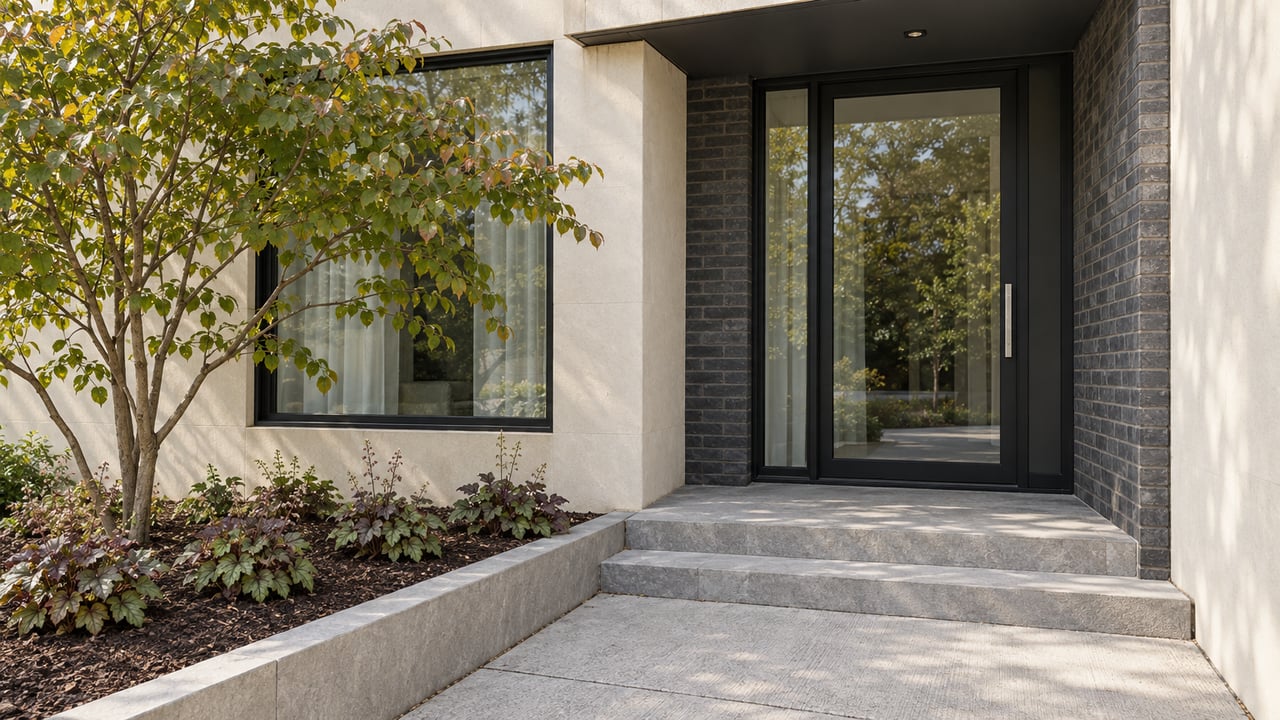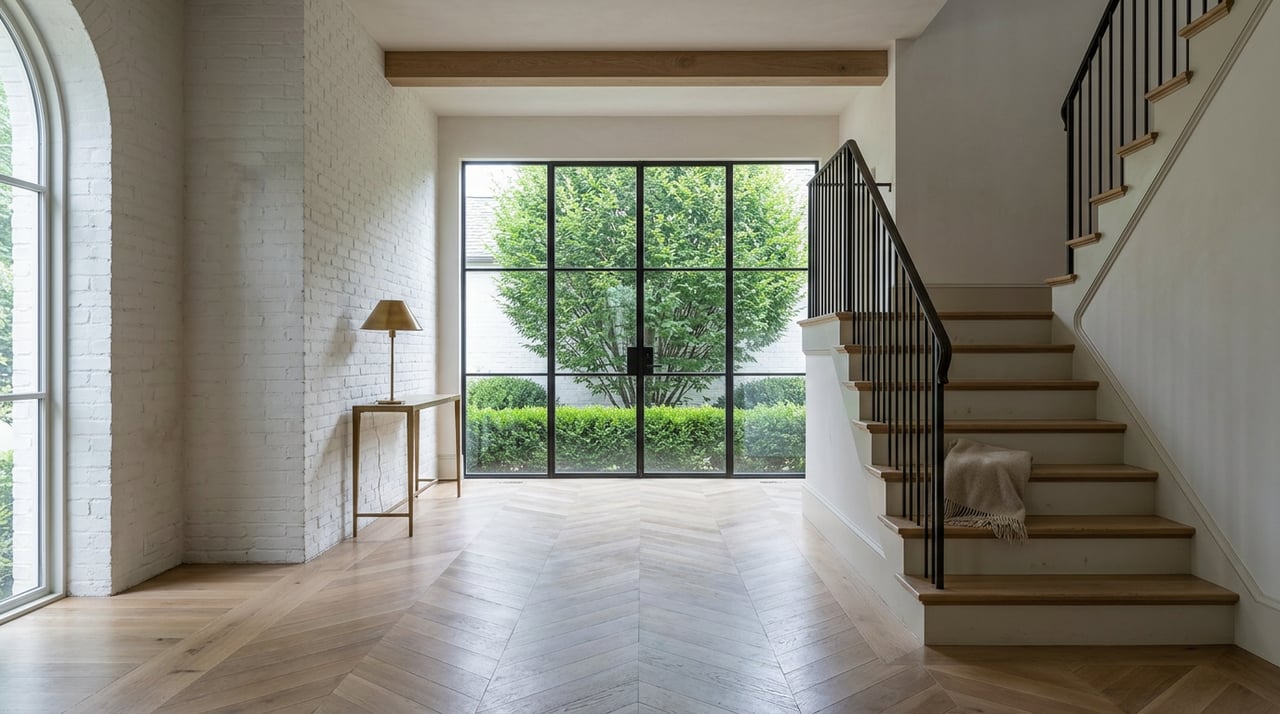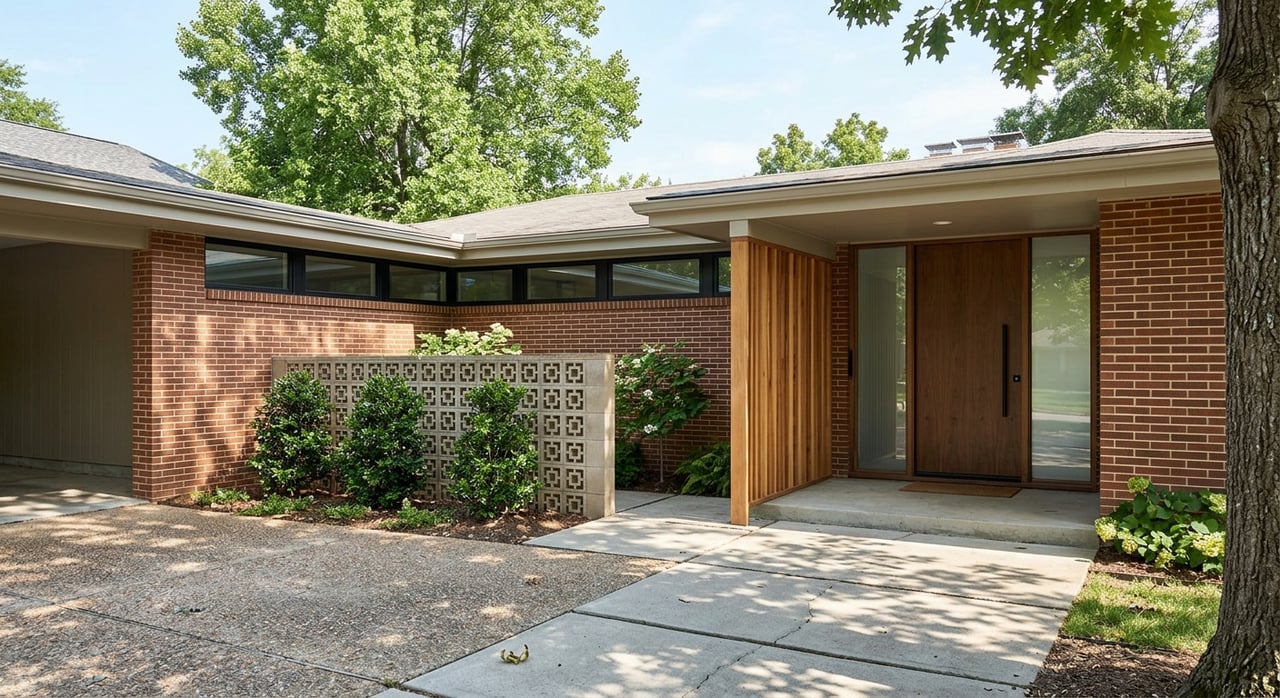
If you have ever driven through West Meade and wondered why so many homes still feel timeless, the answer is not just architecture. It is the combination of land, scale, trees, and thoughtful mid-century design that still gives the neighborhood a distinct identity today. If you are considering a move in this part of Nashville, understanding what makes these homes different can help you spot real long-term value. Let’s dive in.
West Meade’s roots still shape it
West Meade began developing in the 1950s on land once owned by U.S. Supreme Court Justice Howell Jackson. After the land was subdivided, lots were sold to individual owners, who then hired their own builders. That history helps explain why the neighborhood feels cohesive without looking repetitive.
Instead of a uniform tract-development look, West Meade has a more varied residential character. The neighborhood association notes there are more than 1,800 homes, and local boundaries can even feel a bit fuzzy near Hillwood. That sense of evolution, rather than strict sameness, is part of what many buyers notice right away.
The area also grew from a farm and stables, and remnants of original rock walls still remain. That past contributes to the established, landscape-driven feel you still see today. In a market where many areas are being reshaped by larger-scale redevelopment, West Meade still reads as grounded in its original land patterns.
Mid-century design fits the land
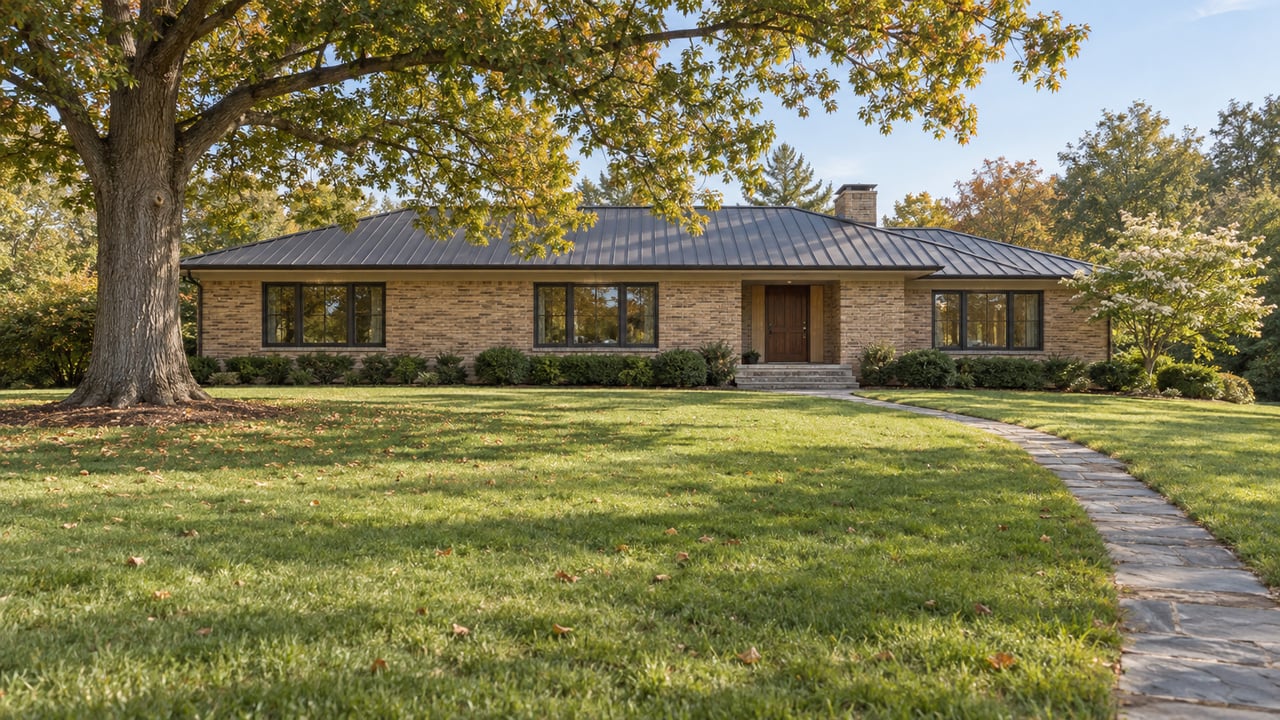
West Meade’s mid-century homes stand out because the architecture works with the setting. Metro Nashville’s post-war housing guide describes ranch homes with low-pitched roofs, long facades, picture windows, carports, and strong horizontal lines. Those features are still closely associated with many homes in West Meade.
These houses often feel connected to the lot in a way newer homes do not always replicate. The design tends to spread outward rather than upward, which complements larger parcels and mature landscaping. That lower profile can make a house feel settled into the property instead of placed on top of it.
You also see split-level homes in the area, especially on sloped sites. Metro Nashville notes that split-level houses emerged in the mid-1950s and were often built into uneven terrain. In West Meade, that makes practical sense because the topography has always played a major role in how homes were placed.
Key features buyers often notice
- Low, horizontal rooflines
- Picture windows that bring in natural light
- Attached or converted carports
- Simple massing with clean lines
- Living spaces that connect visually to the yard
- Layouts that separate public and private areas
Because homes were built by different owners and builders, these features show up in different ways. The result is a neighborhood where the style feels recognizable, but not cookie-cutter.
Large lots change the experience
One of the biggest reasons West Meade feels different is lot size. Most of the neighborhood is zoned RS40, which Nashville classifies as low-density single-family residential zoning with a minimum 40,000-square-foot lot size. The neighborhood association says those lots are typically one acre or more, and Apartments.com also reports that the average lot size remains over a full acre.
That scale changes how you experience both the house and the neighborhood. In West Meade, the land is often just as important as the structure itself. Setbacks, long driveways, and open yard space all contribute to a sense of separation and breathing room.
For buyers, this means the appeal is often broader than square footage alone. A modestly sized ranch on a mature, well-sited lot may offer a very different lifestyle than a larger home on a tighter parcel elsewhere. That is one reason these homes continue to attract buyers who value privacy, landscape, and a more established setting.
Mature trees are part of the value
In West Meade, mature trees are not just a visual bonus. They are a major part of the neighborhood’s identity. Metro Nashville notes that urban tree canopy can help reduce stormwater runoff, improve air quality, provide wildlife habitat, cool summer temperatures, and increase property values.
The West Meade Neighborhood Association has also said it is working to protect the area’s tree canopy. That matters because canopy coverage shapes how the neighborhood looks, feels, and functions. When you drive through West Meade, the tree cover is one of the first things that makes the area feel established.
For a buyer, the amount of canopy on a property can affect more than curb appeal. It can influence shade, privacy, and how the lot relates to the street. In many West Meade homes, the landscape is part of the architecture’s impact.
Slopes and topography add character
West Meade’s terrain is another reason its homes stand out. A Nashville Scene report noted that hills and ridges formed a natural boundary for the original plantation, and that builders later tended to avoid ridgetops because the terrain was difficult and expensive to build on. That development pattern still shows up in the neighborhood today.
You see it in winding driveways, wooded buffers, retaining walls, and homes that sit into the landscape rather than flatten it out. These features give West Meade a more organic feel than neighborhoods built on simpler, more uniform lots. The terrain creates visual interest, but it also means buyers should look closely at how a property handles grading and runoff.
A sloped lot is not automatically a drawback. In many cases, it is part of what gives a home its privacy and setting. The key is understanding whether the site improvements, driveway design, and drainage appear to work well with the land.
Renovated homes and new builds coexist
West Meade today is not frozen in time. Current listing pages show a mix of renovated ranch homes, updated interiors, teardown opportunities, and newer high-end construction. That means buyers can often choose between preserved mid-century character and more turnkey modern living.
This range is part of what keeps the neighborhood relevant. Some homes still preserve the original low-slung profile and indoor-outdoor relationship that define mid-century design. Others have been expanded or fully rebuilt to match current preferences for larger footprints and updated finishes.
There is also new residential development in and around the area. Crescent Communities says HARMON West Meade, a 173-unit build-to-rent townhome community, is set to open in summer 2025 with private garages, front porches, smart-home technology, and green space. That adds another housing option to the broader West Meade conversation, even though it offers a different living experience from the classic mid-century homes on larger lots.
What to evaluate in a West Meade mid-century home
If you are considering one of these homes, it helps to look beyond surface updates. A fresh kitchen matters, but the bigger question is whether the home still preserves the qualities that make this architecture special.
Ask how the profile has changed
A classic ranch usually reads as horizontal and low to the ground. If a home has been vertically expanded, that may change the original profile that gave it much of its architectural appeal. In some cases, the updates may feel seamless. In others, the house may function well but read very differently from its original design.
Look at the lot, not just the house
In West Meade, lot conditions matter. Pay attention to slope, driveway layout, retaining walls, and how water appears to move across the site. Since the neighborhood’s topography is a defining feature, these practical details are important to your day-to-day experience.
Notice what remains of the canopy
A mature lot can be a major asset. Look at how much of the tree canopy and original landscape remains, and how that affects shade, privacy, and the setting around the home. In many cases, those outdoor elements are part of what gives the property lasting character.
Check whether updates respect the design
Good renovations usually preserve the spirit of the house. In a mid-century home, that may mean keeping picture windows, maintaining the carport presence, or protecting the indoor-outdoor relationship. The strongest updates often improve livability without erasing the features that made the home distinct in the first place.
Be clear on your priorities
Some buyers want original character and are happy to take on selective updates over time. Others want a newer custom build with modern systems, larger rooms, and a more turnkey layout. West Meade offers both, so the right choice depends on whether you value preserved architectural identity or newer construction convenience more.
Why these homes still stand out today
West Meade’s mid-century homes stand out because they offer more than a style trend. They reflect a specific way of building that responded to larger lots, sloping land, and a strong relationship between house and landscape. That combination is hard to recreate once a neighborhood changes at a larger scale.
They also stand out because the neighborhood still supports that original character. Low-density zoning, mature tree canopy, and varied private-site construction all reinforce the sense that these homes belong to the land around them. Even when updated, the best examples still feel rooted in that setting.
If you are buying in West Meade, this is where a strategic eye matters. The real opportunity is not just finding a house labeled mid-century. It is recognizing which property still captures the design, scale, and site qualities that continue to make the neighborhood special.
If you are weighing West Meade against other Nashville neighborhoods, or comparing character homes with newer construction, a clear local strategy can save you time and help you buy with more confidence. When you are ready for thoughtful guidance and a polished, detail-focused approach, connect with Carla Patterson.
FAQs
What makes West Meade homes architecturally distinct?
- Many West Meade homes reflect mid-century ranch and split-level design, with low-pitched roofs, horizontal lines, picture windows, carports, and a strong connection to the yard.
Why are West Meade lots so important to buyers?
- Much of West Meade is zoned RS40, which requires a minimum 40,000-square-foot lot size, and many lots are around one acre or more, making land, privacy, and setting a major part of the value.
How does topography affect West Meade properties?
- The area’s hills and ridges shape lot layout, driveway design, retaining walls, privacy, and drainage, so buyers should evaluate how the home works with the site.
Are all West Meade homes still original mid-century homes?
- No. The neighborhood now includes preserved mid-century homes, renovated ranch properties, teardown opportunities, and newer construction.
What should buyers look for in a renovated West Meade ranch?
- Buyers should look at whether renovations preserve the home’s horizontal profile, picture windows, carport presence, mature landscape, and indoor-outdoor relationship.
Is West Meade a good fit if you want newer construction?
- It can be, because the area includes newer homes and additional new residential options, but the experience will differ from the classic large-lot mid-century properties that define much of West Meade’s identity.