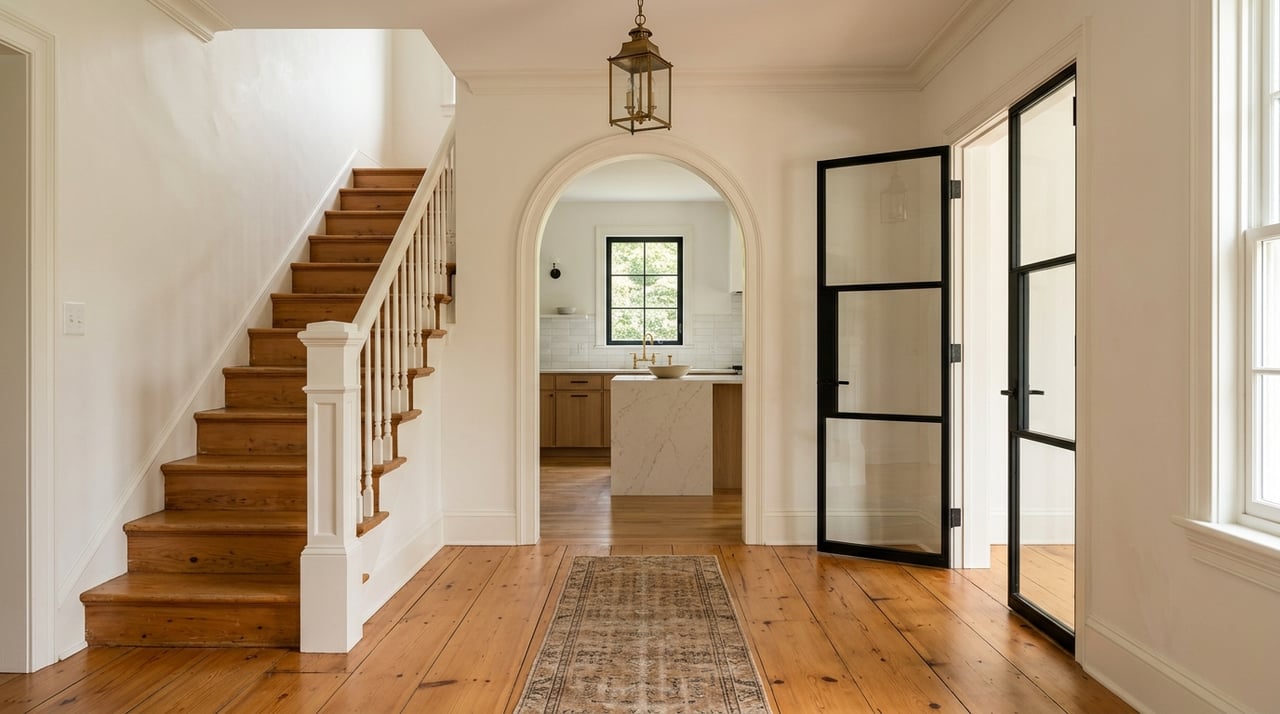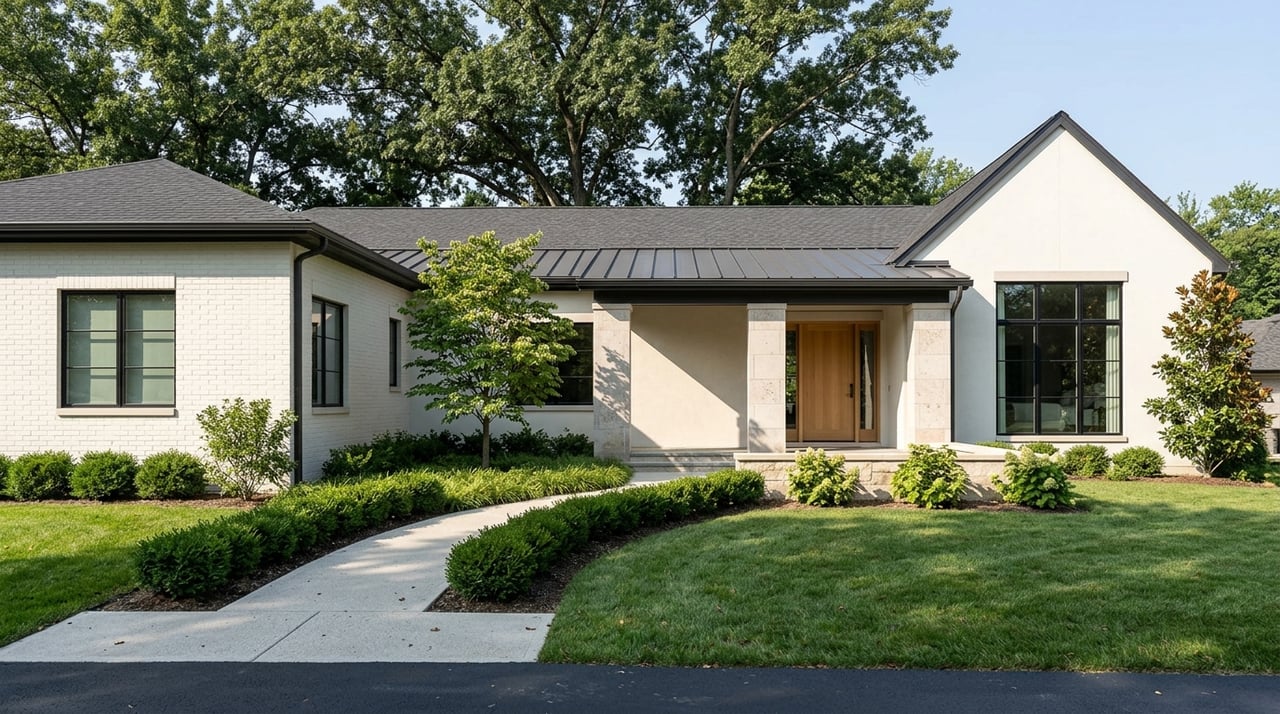
Choosing between Brentwood and Franklin is not just about picking a city on a map. It is about deciding how you want your daily life to feel, how much space you want, and how your housing budget lines up with your priorities. If you are weighing both addresses in Williamson County, this guide will help you compare lifestyle, housing, mobility, and cost so you can make a more confident move. Let’s dive in.
Brentwood vs. Franklin at a Glance
Brentwood and Franklin are both well-known Williamson County addresses, but they offer different day-to-day experiences. Brentwood is more clearly defined by low-density residential living, rolling hills, parks, greenways, and a suburban setting. The city notes that about 90% of its acreage is zoned residential, which supports that quieter, more spread-out feel.
Franklin offers a broader mix of history, growth, housing types, and activity centers. The city highlights its historic downtown, festivals and parades, and the Cool Springs business, dining, and shopping hub. If Brentwood feels more purely suburban, Franklin feels more layered and destination-oriented.
Brentwood Lifestyle
Brentwood is a strong fit if you want a calmer residential backdrop and a more traditional suburban rhythm. Its planning history has long favored detached, low-density housing, and the city says that vision is still prevalent today. That can matter if privacy, larger lots, and a less mixed development pattern are high on your list.
The city also leans heavily into outdoor amenities. Brentwood lists 14 parks and more than 25 miles of trails within the city limits. For many buyers, that combination of residential focus and access to parks and greenways is a big part of the appeal.
Daily movement in Brentwood is also shaped by driving convenience. The city’s growth has been tied closely to I-65 and key interchanges like Moores Lane and Concord Road. Brentwood also operates a traffic system that can manage all 49 signalized intersections and monitor 24 cameras, which reinforces its freeway-oriented setup.
Franklin Lifestyle
Franklin tends to appeal to buyers who want more variety in how they live and move through the city. Its identity blends history and new development, with a nationally recognized historic downtown and a busy Cool Springs district. That creates a lifestyle with more internal destinations for shopping, dining, events, and day-to-day errands.
Outdoor access is also a major part of Franklin’s appeal, but it shows up in a broader network. The city reports 21 parks, 1,025 acres of parkland, 37 miles of multi-use trails, and 417 miles of sidewalks. Recent projects like the Harpeth River pedestrian bridge, the New Highway 96 West multi-use trail, and the Franklin Road streetscape reflect a more interconnected mobility system.
Franklin’s downtown energy is part of what makes it attractive, but it also means a busier environment in some areas. The city launched a downtown parking study in 2026, which is a practical sign that central Franklin sees steady activity. If you like the idea of a more active, connected routine, that may feel like a benefit rather than a drawback.
Home Prices and Housing Mix
One of the clearest differences between Brentwood and Franklin is pricing. Current market data shows Brentwood in a higher price tier, while Franklin generally sits one step below but still remains in the upper-end Middle Tennessee market. In simple terms, both are premium addresses, but Brentwood usually asks more.
The cleanest way to view the numbers is as a range rather than one exact price point. Recent data places Brentwood’s median sale price at about $1.44 million, with median listing price figures around $1.78 million. For Franklin, median sale price data is around $849,561, while median listing price figures are around $1.15 million.
Interestingly, the price-per-square-foot gap is much smaller. Brentwood is about $350 per square foot, while Franklin is about $340 per square foot. That suggests the bigger difference may come from home size, lot profile, and available inventory, not just the city name alone.
Housing Types Matter
If you are comparing these two cities, the housing mix deserves just as much attention as headline pricing. Brentwood remains strongly oriented toward detached single-family homes, with a planning history that emphasizes low density and even references a standard of one dwelling unit per acre. That tends to support a more spacious suburban product.
Franklin offers a wider set of housing options. The city’s housing strategy and zoning framework include single-family homes, townhouses, condominiums, apartments, duplexes, multiplexes, and some farmstead-style residential buildings. If you want more flexibility in home type, Franklin usually gives you a broader menu.
This can be especially important for downsizers, buyers looking for lower-maintenance living, or anyone who does not want to pay for more land than they need. Brentwood can still work well for those buyers, but you are more likely to be choosing from detached homes and larger-lot settings.
Property Tax Directional Comparison
Property taxes are only one part of carrying cost, but they are worth comparing. According to Williamson County’s 2025 tax sheet, Brentwood’s city property tax rate is $0.19 per $100 of assessed value, while Franklin’s is $0.296. That gives you a useful directional difference when you are modeling monthly ownership costs.
Still, it is smart to treat this as a comparison point, not a final bill estimate. Total taxes can vary by parcel and district. If you are narrowing in on a specific home, that property-level review matters more than a citywide generalization.
Commute and Daily Movement
For many buyers, the best address is the one that makes weekdays easier. Brentwood often fits people who want a straightforward north-south driving routine and quick orientation around I-65. If your day revolves around freeway access and you value a more predictable suburban driving pattern, Brentwood often checks that box.
Franklin’s mobility story is broader. The city’s transportation goals include connecting neighborhoods, parks, employment centers, shopping areas, and downtown through streets, pedestrian routes, bike connections, and transit. In practical terms, that can mean a busier but more varied experience, especially if your routine includes Cool Springs, central Franklin, or downtown.
Neither approach is better across the board. The question is whether you want a simpler drive-focused pattern or a more interconnected environment with more internal trips and activity nodes.
Which City Fits Your Priorities?
The better choice usually becomes clearer when you stop asking which city is “best” and start asking which one fits your life more naturally. Here is a simple way to think about it.
Brentwood may fit you if:
- You want a lower-density suburban setting
- You prefer detached homes and larger-lot environments
- You value parks, trails, and a quieter residential feel
- You want a routine shaped more by freeway access and driving convenience
- You are comfortable shopping at a higher overall price tier
Franklin may fit you if:
- You want more housing variety, including townhomes or condos
- You enjoy a more active mix of downtown, shopping, dining, and events
- You want a city with stronger pedestrian and trail connectivity
- You expect to spend time in Cool Springs or central Franklin
- You are looking for more flexibility across lifestyle and price points
A Smart Way to Decide
When buyers compare Brentwood and Franklin, the final answer often comes down to three practical filters: budget, home type, and daily routine. If your budget supports Brentwood and you want a quieter, more residential environment, that city may feel like the cleaner fit. If you want more flexibility in housing style and a more connected local lifestyle, Franklin may offer the better match.
It is also worth remembering that broad city comparisons only take you so far. Because the per-square-foot pricing is relatively close, the specific home, lot, and location inside each city can have just as much impact as the mailing address. That is why a strategy-first search matters.
If you are relocating to the Nashville area or weighing a move within Williamson County, clarity comes from matching the numbers with the lifestyle. Carla Patterson can help you compare Brentwood and Franklin with a calm, informed approach that keeps your priorities, budget, and long-term fit in focus.
FAQs
What is the main lifestyle difference between Brentwood and Franklin, Tennessee?
- Brentwood is generally more low-density and suburban, while Franklin offers a more mixed environment with historic downtown activity, Cool Springs, and a wider range of daily destinations.
Is Brentwood more expensive than Franklin for homebuyers?
- Yes. Current market data shows Brentwood at a clearly higher overall price tier, while Franklin is generally less expensive than Brentwood but still considered an upper-end Middle Tennessee market.
Does Franklin offer more housing variety than Brentwood?
- Yes. Franklin’s housing strategy and zoning include single-family homes, townhouses, condos, apartments, duplexes, and multiplexes, while Brentwood remains more oriented toward detached single-family homes.
Are property tax rates different in Brentwood and Franklin?
- Yes. Williamson County’s 2025 tax sheet lists Brentwood’s city property tax rate at $0.19 per $100 of assessed value and Franklin’s at $0.296, though total tax bills can vary by property and district.
Which city is better for downsizers in Williamson County?
- Franklin is often the more flexible option for downsizers because it supports a broader range of housing types, including townhomes, condos, and apartments.
Which city may work better for a commuter in Williamson County?
- Brentwood may be the better fit if you want a more freeway-oriented routine tied closely to I-65, while Franklin may fit better if your routine centers on downtown, Cool Springs, or more internal local trips.