If you only know Green Hills for its mall, you are missing what makes this part of Nashville so livable. For many buyers, relocators, and even longtime locals, Green Hills can be easy to misread as a shopping district first and a neighborhood second. The reality is more layered, and understanding that difference can help you make a smarter move. Let’s dive in.
Why Green Hills Feels Different
Green Hills has roots as a planned residential subdivision dating back to the late 1920s. Metro Nashville notes that it was originally marketed as a cleaner, quieter alternative to city living, and that history still shows up today in its quiet streets, old-growth trees, and enduring neighborhood character.
That mix is part of what makes Green Hills distinct. It is not just a retail hub and not just a residential pocket. Metro planning documents describe it as a place that balances shopping, offices, homes, schools, restaurants, and transportation choices, which helps explain why the area feels active without reading as purely urban.
Location also plays a big role. Green Hills sits about three miles south of Downtown Nashville, so you can stay connected to the city while living in a neighborhood that generally feels more suburban in form and rhythm.
Beyond the Mall: Everyday Life in Green Hills
The biggest misconception about Green Hills is that it begins and ends with shopping. Yes, the area is known for retail, but daily life here is also shaped by practical convenience, familiar routines, and a wide mix of services close to home.
Green Hills is the kind of place where errands can feel relatively efficient. Apartments.com gives the neighborhood a walkability score of 60 out of 100, a transit score of 30 out of 100, and a shopping score of 90 out of 100. In plain terms, that suggests an errand-friendly area where many destinations are nearby, but a car still matters for how most people move through the neighborhood.
Dining and Local Landmarks
Green Hills offers more than chain shopping and quick stops. Hill Center Green Hills describes itself as a mixed-use community with office space along with national, regional, and locally owned retail and dining options, plus outdoor areas and convenient parking.
The neighborhood is also home to some well-known Nashville institutions. The Bluebird Cafe is located on Hillsboro Pike and remains one of the area’s signature spots. Parnassus Books, another recognizable local destination, also has its main store in Green Hills.
Groceries, Services, and Daily Convenience
For many buyers, convenience is less about novelty and more about how easily your week runs. Green Hills checks that box with established grocery, retail, and service options, including the Whole Foods store on Hillsboro Pike.
This is one reason the neighborhood appeals to a wide range of buyers. If you want a location where errands, dining, and everyday needs are built into the area, Green Hills often feels easier to live in than neighborhoods that are beautiful but more purely residential.
Parks and Community Spaces
Even in a convenience-driven neighborhood, outdoor space still matters. Green Hills Park on Lone Oak Road gives residents a local park option within the neighborhood.
The Green Hills Branch Library is also an important community feature, even though Nashville Public Library says it is currently closed for a full renovation. The branch includes meeting rooms, study rooms, an outdoor patio and garden, a teen makerspace, public art, and free parking, which speaks to the area’s broader community infrastructure beyond retail.
What Homes in Green Hills Actually Look Like
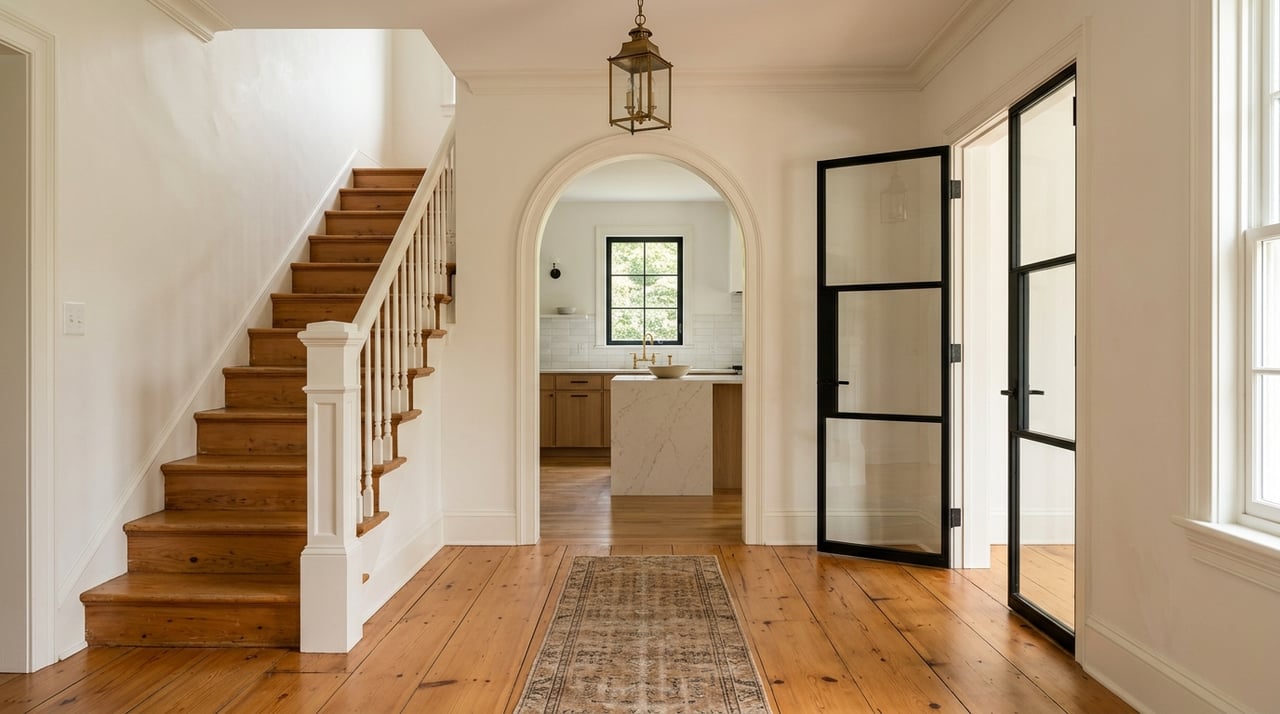
One of the most useful things to know about Green Hills is that its housing mix is broader than many people expect. If you picture only large luxury homes near busy commercial corridors, you are seeing just one part of the story.
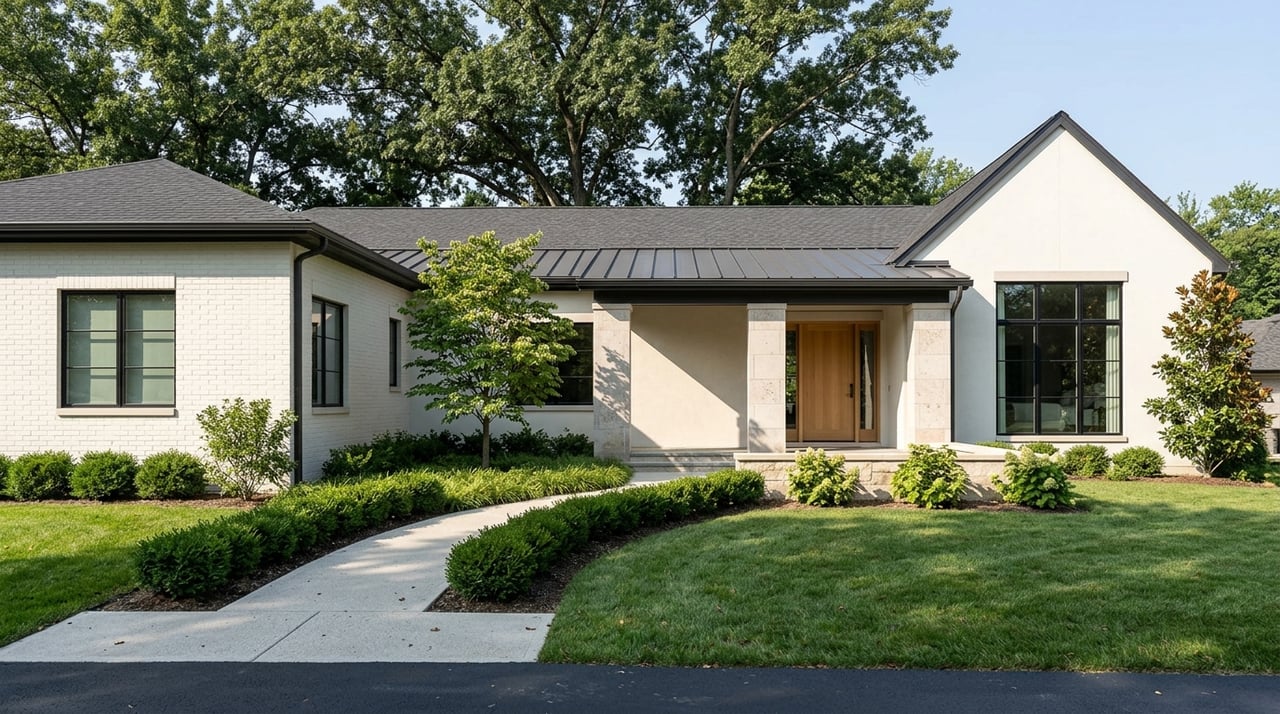
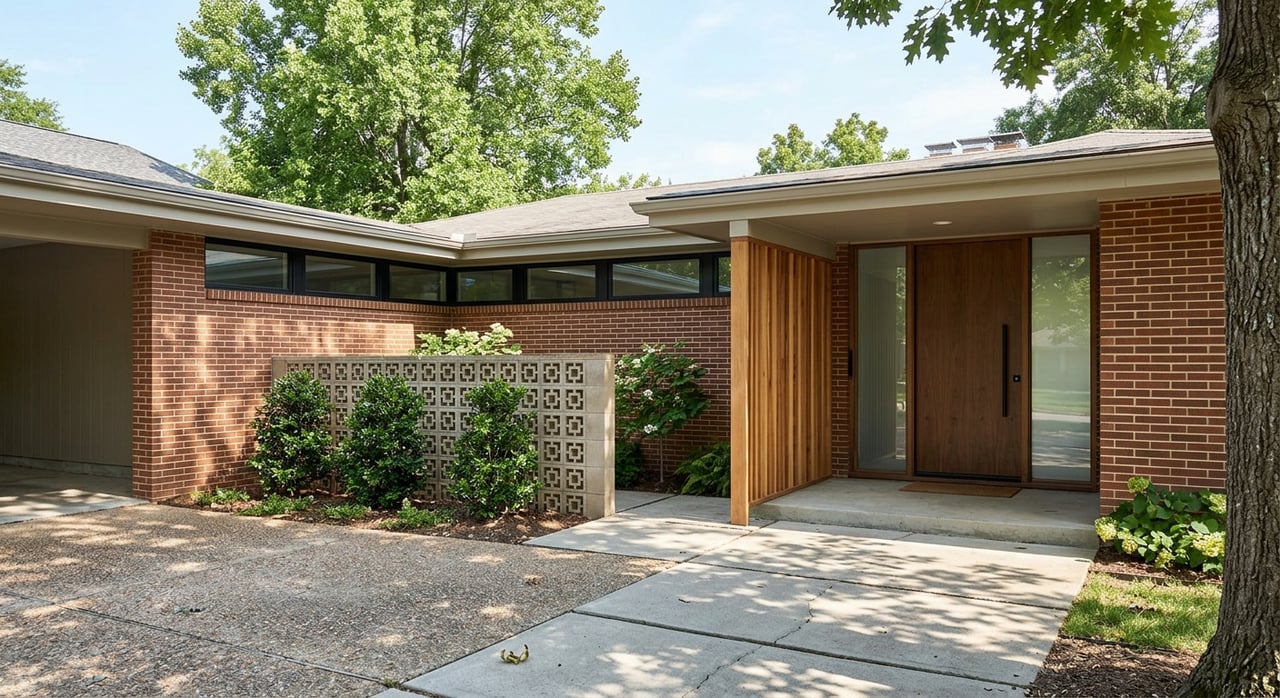
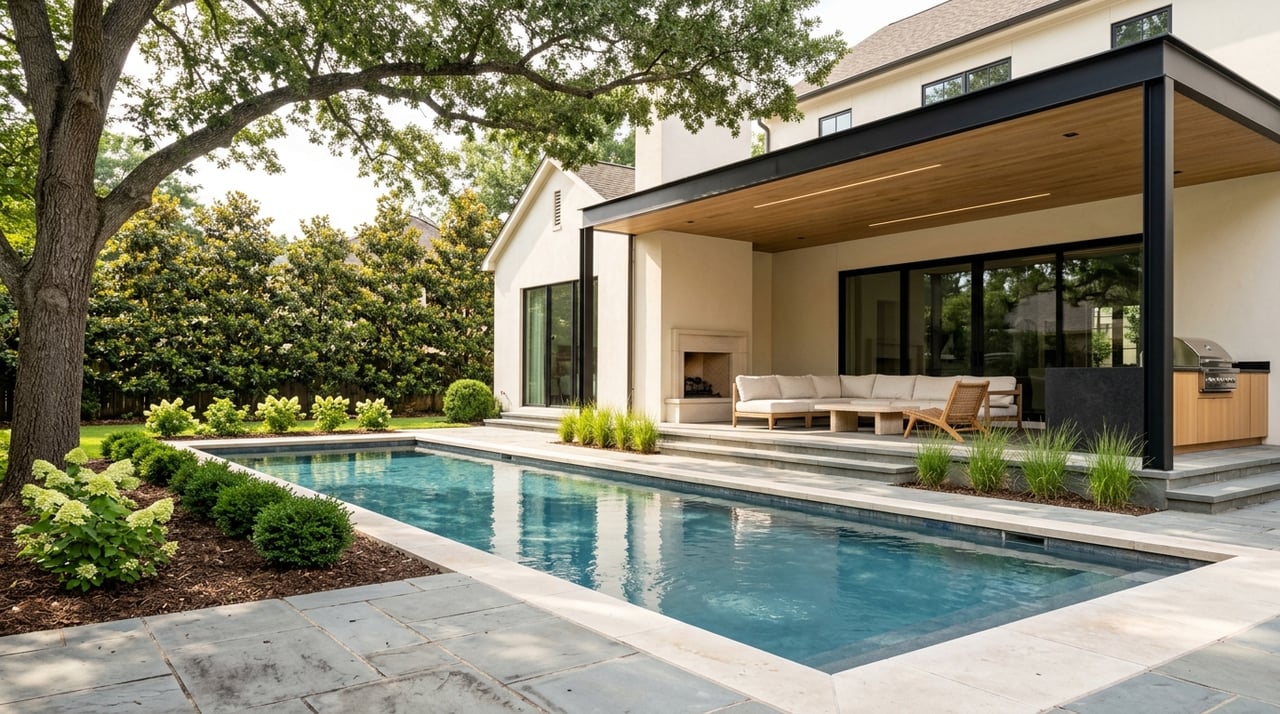
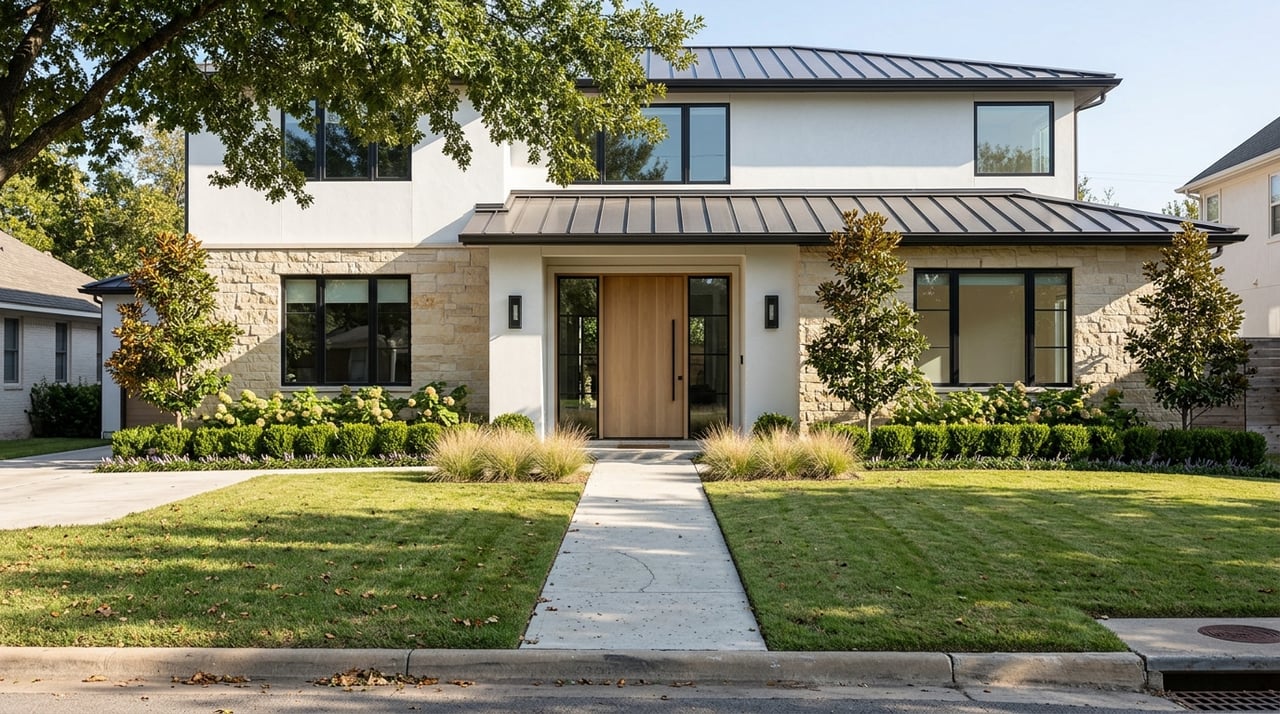
Homes.com describes Green Hills as a suburban community with luxury homes around a vibrant commercial district, with housing that ranges from ranch, Minimal Traditional, and Cape Cod to Greek Revival, Colonial Revival, and Tudor Revival styles. Newer traditional and contemporary homes are also part of the mix.
Apartments.com adds that renters and buyers can find apartments, lofts, condos, and single-family homes along tree-lined streets. That variety matters if you are comparing lifestyle options, especially if you are deciding between a lower-maintenance property and a detached home with more space.
Street Character Still Matters
Metro Nashville’s neighborhood history notes that Green Hills was developed to promote home ownership and modern construction, and that much of its original character remains intact. The same source says newer construction has generally respected the street character, which helps explain why parts of Green Hills feel established rather than overbuilt.
For buyers, that can translate into a neighborhood with visual variety and a sense of continuity. You may see older homes, updated residences, and newer builds on streets that still feel mature and settled.
Understanding Green Hills Pricing
Green Hills sits in Nashville’s premium tier, but it is not defined by only one kind of price point or property type. That is important if you are trying to understand value here.
As of April 30, 2026, Zillow places the average home value in Green Hills at about $1.83 million. Redfin’s neighborhood page shows a March 2026 median sale price of $1.11 million. Those are different measures, so they should not be read as direct equivalents, but together they reinforce that Green Hills is a higher-end Nashville market with range inside it.
That range can matter if you are relocating from a market where neighborhood pricing is easier to generalize. In Green Hills, your price point may depend heavily on whether you are looking at a condo, an older home on an interior street, or a newer luxury property closer to the top of the market.
Traffic and Accessibility: What to Expect
Convenience in Green Hills comes with a tradeoff, and that tradeoff is traffic. Because the area combines shopping, dining, offices, and residential streets, congestion is part of everyday life, especially around peak hours.
The Bluebird Cafe’s FAQ notes that traffic in the area can be heavy. It estimates travel times of about 15 to 30 minutes from downtown Nashville and about 20 to 45 minutes from BNA, depending on conditions.
That does not mean Green Hills is hard to live in. It means you should evaluate the neighborhood honestly based on your routine. If you value close-in convenience and access to a wide range of daily amenities, the tradeoff may feel worthwhile.
How Green Hills Compares to Nearby Areas
Green Hills often makes more sense when you compare it to other well-known Nashville neighborhoods. It occupies a middle ground that can be appealing if you want both comfort and convenience.
Green Hills vs. Belle Meade and Forest Hills
Compared with Belle Meade and Forest Hills, Green Hills is generally more convenience-oriented and less exclusively residential. The research also shows that Belle Meade’s average home value is around $3.37 million, while Forest Hills is around $1.94 million, placing both among Nashville’s upscale areas.
What separates Green Hills is not just price. Its identity is more closely tied to mixed-use living, shopping, groceries, and day-to-day access than to estate privacy or park-centered seclusion.
Green Hills vs. 12 South
Relative to 12 South, Green Hills tends to feel more suburban and more car-oriented. Apartments.com notes that Green Hills is walkable, but residents usually still need a car for errands, while 12 South is more often described as compact and highly walkable around a dense commercial strip.
Housing also feels different between the two. Green Hills is more often described as a broader mix of detached homes, condos, apartments, and newer construction, while 12 South is commonly associated with historic homes and contemporary infill.
Who Green Hills May Suit Best
Green Hills can be a strong fit if you want a neighborhood that supports real daily living, not just a weekend version of Nashville. It may appeal to you if you are looking for:
- A close-in location south of downtown
- A mix of housing options, from condos to single-family homes
- Access to groceries, dining, and services without leaving the neighborhood
- A more residential feel than dense urban districts
- Upscale pricing with more housing variety than some estate-focused areas
It may be less ideal if you want a highly walkable, compact neighborhood experience or if heavy traffic is a deal-breaker for your routine.
Why Local Context Matters When You Buy Here
Green Hills is easy to recognize by name, but harder to understand at a glance. That is often where buyers make mistakes. A neighborhood can look straightforward on a map, yet feel very different once you factor in housing mix, traffic flow, street character, and how daily life actually works.
If you are moving within Nashville or relocating from another market, it helps to look beyond headline pricing and well-known retail anchors. The better question is whether Green Hills fits the way you want to live, move, and spend your time.
For buyers who want a polished, practical, and highly livable Nashville neighborhood, Green Hills deserves a closer look beyond the mall. If you want help comparing Green Hills with other Nashville neighborhoods or translating what this area means for your move, connect with Carla Patterson for strategic guidance tailored to your goals.
FAQs
What is Green Hills Nashville known for besides the mall?
- Green Hills is known for its mix of quiet residential streets, mature trees, dining, grocery options, local landmarks like the Bluebird Cafe and Parnassus Books, and a daily-life convenience that goes beyond retail.
What types of homes are in Green Hills Nashville?
- Green Hills includes a broad housing mix, including apartments, lofts, condos, single-family homes, and architectural styles ranging from ranch and Cape Cod to Tudor Revival, Colonial Revival, and newer traditional or contemporary homes.
Is Green Hills Nashville walkable?
- Green Hills is somewhat walkable, with Apartments.com rating it 60 out of 100 for walkability, but most residents still rely on a car for many errands and daily travel.
Is Green Hills Nashville expensive?
- Green Hills is considered part of Nashville’s premium market, with Zillow reporting an average home value of about $1.83 million as of April 30, 2026, and Redfin reporting a March 2026 median sale price of $1.11 million.
How does Green Hills compare to 12 South?
- Green Hills generally feels more suburban, more car-oriented, and more mixed in housing type, while 12 South is typically seen as more compact and highly walkable around a denser commercial strip.
Is traffic in Green Hills Nashville heavy?
- Traffic can be heavy in Green Hills, especially during busy periods, and the Bluebird Cafe notes estimated travel times of 15 to 30 minutes from downtown Nashville and 20 to 45 minutes from BNA depending on conditions.